OpenAI's dots Wants to Be the Assistant That Never Stops Working
OpenAI shipped dots in September and put it on stage at Disrupt. The model isn't new — Codex could do most of it. The product is the framing, the name, and an agent that runs in the background until it notices something you missed.
- Published
- 27 Oct 2026
- Written by
- Md Tayobur Rahman
- Topic
- Tech News
- Reading time
- 4 min
Article
Every year the AI industry picks a new answer to the same question: how are people actually supposed to use these models? In 2026 the answer is the always-on assistant — an agent that keeps working in the background whether or not you asked it to. Instinct blew up almost overnight, Meta poured marketing muscle into its Muse assistant, and OpenAI, unsurprisingly, did not want to sit this one out.
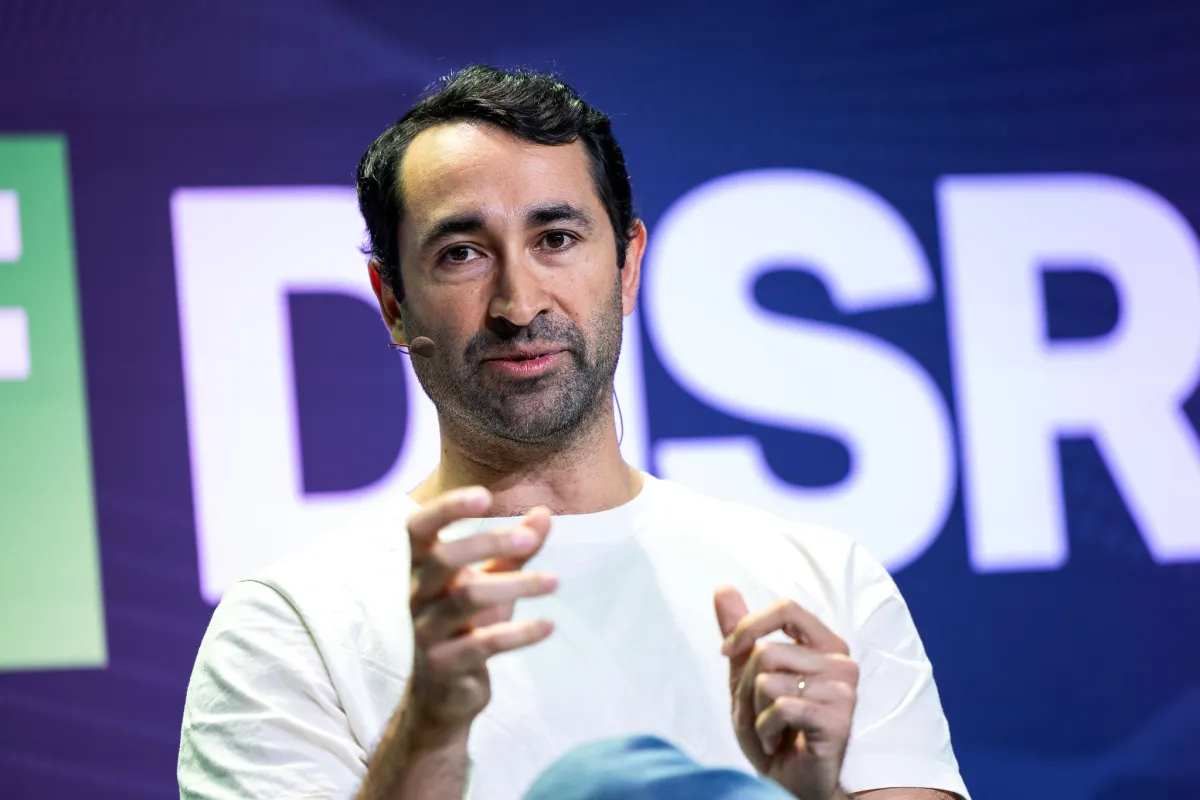
OpenAI shipped dots at its developer day in late September. This month, Alexander Embiricos, who runs the company's enterprise product team, took the stage at TechCrunch Disrupt to explain where the thing came from — and why it looks like a friendly little blob instead of a chat window.
From Codex to a consumer product
Here's the part that stood out to me: dots isn't really new technology. Embiricos openly admits you could get most of the same results out of OpenAI's Codex coding app, which launched at the start of the year. The difference is effort. Codex expects you to know what you want and to babysit it. dots is meant to feel like one ongoing conversation with a single entity, not a folder full of separate threads you have to manage.
"There's kind of this convergent evolution happening," he said, describing how every lab independently landed on giving these models a personality and an avatar. The framing, not the model, is the product.
Pricing tells you who it's for. dots is available inside the ChatGPT desktop and mobile apps on the Pro tier and up, with plans starting around $100 a month. Connect your calendar, email and computer, and it starts trying to get your work done for you.
The promise: an agent that notices before you do
The core idea is that a persistent agent shouldn't need prompting. That's good for OpenAI's token bill and, in theory, good for you — an assistant that is quietly thinking about your day instead of waiting for instructions.
Embiricos shared a story that sums up the upside. An engineer at a drone delivery startup told him their dot spotted an outage, dug into it, and showed up with useful information on how to fix it before the engineer had even registered that something was broken.
The downside is timing. In TechCrunch's own testing, dots does anticipate — it flags calendar clashes and looming deadlines — but not always early enough to matter. Embiricos has lived this himself: early in development, his dot warned him about a conflict three minutes before it happened. That's a notification, not a save.
Proactive research vs. your privacy
To be useful, an assistant has to know things about you, and that's where it gets uncomfortable. Meta's Muse has already drawn criticism for the profiles it builds of your friends and family. OpenAI has its own version of this, which Embiricos calls "proactive research": on a regular cadence, dots reviews what it knows about you, what you've given it access to, and then goes looking for ways to be more helpful before proposing them.
The privacy controls mirror ChatGPT's. You can switch off model training and decide what on your machine the agent can touch. But they're blunt, not fine-grained — the app reportedly won't even accept read-only access to cloud drives. Embiricos concedes the point: what's needed is "super, super, super granular controls." He also admits the launch drew complaints for being over-cautious and asking permission constantly.
The real bottleneck isn't the model
The awkward question nobody in the demo ever answers: can agents actually scale? They're delightful when only a handful of people have them. They're less delightful for the businesses, websites and payment networks on the other end.
Embiricos counts himself among the skeptics. He still employs a human assistant, partly because OpenAI's corporate partners want a person on the line. And he was blunt about his own limits: "I personally never intend to have a meeting with someone else's agent."
Money is the next frontier. He confirmed OpenAI is "deep in lots of conversations with payment processors" about letting an agent transact — a lucrative first, and a huge ask from users.
What I'm taking away
dots is the clearest sign yet that the assistant race has shifted from raw capability to packaging and trust. The model is largely the same one developers already had; what changed is the interface, the name (a play on the negative space in OpenAI's logo) and the willingness to run continuously in the background.
For anyone building software, that's the lesson worth stealing. The hard part of shipping an agent isn't the intelligence — it's deciding how much access to hand over, how loudly to interrupt, and when to stay quiet. Get those wrong and you've built something that nags people three minutes too late.
Share
Contact
Available for Laravel platforms, native Android apps, and the systems that run behind them.