TSMC Is Putting $1 Billion Into Its Own Customers, and That Should Give You Pause
TSMC just approved up to $1B in OpenAI and Anthropic shares. It looks like confidence, but it is the clearest example yet of AI circular financing.
- Published
- 12 Nov 2026
- Written by
- Md Tayobur Rahman
- Topic
- Tech News
- Reading time
- 4 min
Article
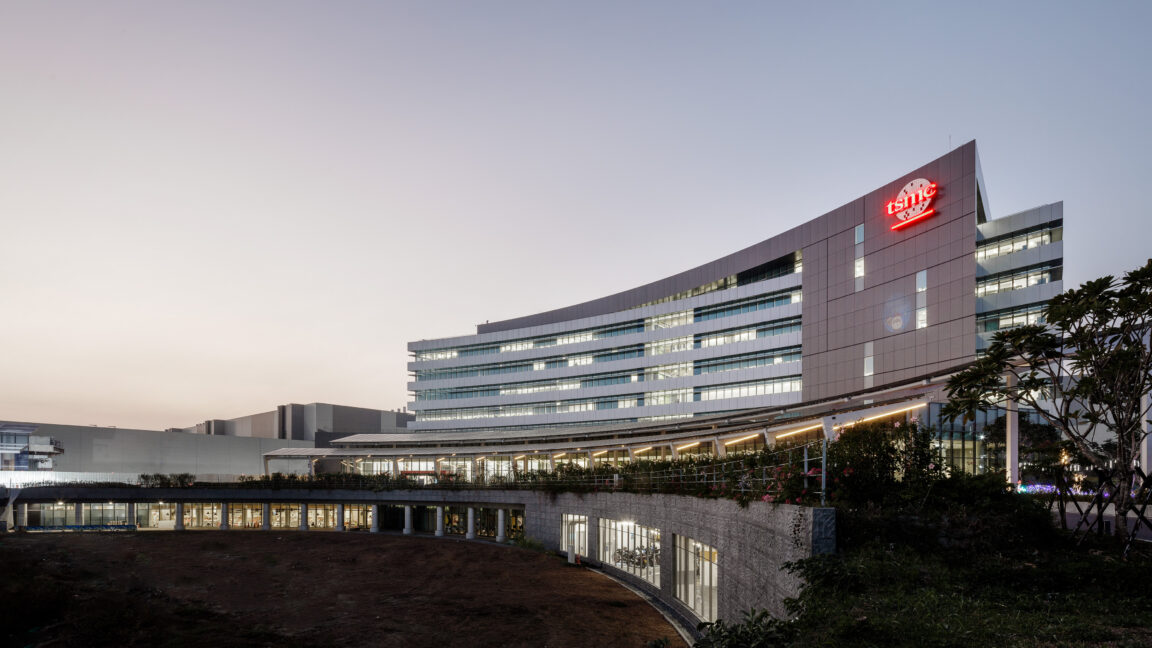
Here's a sentence that should make you pause: the company that manufactures the chips is now also buying shares in the companies that buy the chips. TSMC's board just approved up to $1 billion in investments split between OpenAI and Anthropic — and while that sounds like a vote of confidence, it's also the clearest example yet of how tangled the AI money web has become.
What TSMC actually approved
According to reporting from Reuters, the Taiwanese chipmaker's board signed off on two separate moves: up to $500 million for OpenAI preferred stock reserved for large investors, and another $500 million to buy Anthropic common shares at the price the company is expected to hit when it goes public. For a company that usually makes its money stamping silicon, writing a billion-dollar cheque into two AI labs is a notable shift in posture.
The timing isn't accidental. The AI trade has been wobbling, investors are jittery, and a supplier publicly backing its biggest customers reads as a stabilising signal. The Wall Street Journal framed it as a potential shot of confidence for a market showing real signs of strain.
Why "circular financing" keeps coming up
This is the part worth understanding. TSMC fabricates the vast majority of Nvidia's AI data center chips, most of Apple's custom silicon, and it's building capacity across Taiwan, Japan, China, Arizona, and a new fab in Germany. Anthropic and OpenAI, meanwhile, are among the biggest buyers of the hardware coming off those lines.
So the flow looks like this: chipmaker invests in AI lab → AI lab spends on compute → compute gets built from chipmaker's silicon → chipmaker books record revenue. Analysts quoted by the Journal warn that this loop makes it genuinely hard to tell how much of the demand is organic and how much is being funded by the same ecosystem that profits from it. That's not fraud — it's just a market that's become very difficult to read from the outside.
The scale check nobody mentions
One billion dollars sounds enormous until you put it next to the rest of the sector. Nvidia has already put $30 billion into OpenAI and $10 billion into Anthropic, plus tens of billions more across AI and robotics startups. Against that backdrop, TSMC's commitment is modest — which is exactly why it's affordable.
And TSMC can afford it. The company has now posted six consecutive quarters of record profit, including more than $23 billion in net profit for the July-to-September 2026 quarter alone. This is a company making a strategic bet out of pocket change, not a company stretching itself thin.
What this means if you build software
If you're a developer or a founder building on top of these models, the practical read is less about stock prices and more about the shape of the dependency graph. The model providers, the chip designers, the fabs, and the cloud layers are increasingly the same handful of balance sheets wearing different hats. That makes pricing, availability, and even roadmap decisions less independent than they appear.
The sensible response isn't panic — it's portability. Abstract your model calls, keep an eye on per-token economics, and don't architect your product so tightly around a single provider that a boardroom decision in Hsinchu or San Francisco can rewrite your roadmap overnight.
The takeaway
A supplier investing in its own customers isn't automatically a red flag, and TSMC is hardly in trouble. But when the entity making the chips, funding the buyers, and reporting record profits is effectively the same node in the network, "demand" stops being a clean number. Watch what gets built, not what gets announced — and build your stack so you can move when the music stops.
Share
Contact
Available for Laravel platforms, native Android apps, and the systems that run behind them.