Waymo's Cheaper Next-Gen Robotaxi Is Now Open to All Riders in Three Cities
Waymo has opened its next-gen Ojai robotaxi to all riders in LA, Phoenix, and San Francisco — a cheaper, modular minivan designed to finally make robotaxis profitable.
- Published
- 20 Aug 2026
- Written by
- Md Tayobur Rahman
- Topic
- Tech News
- Reading time
- 3 min
Article
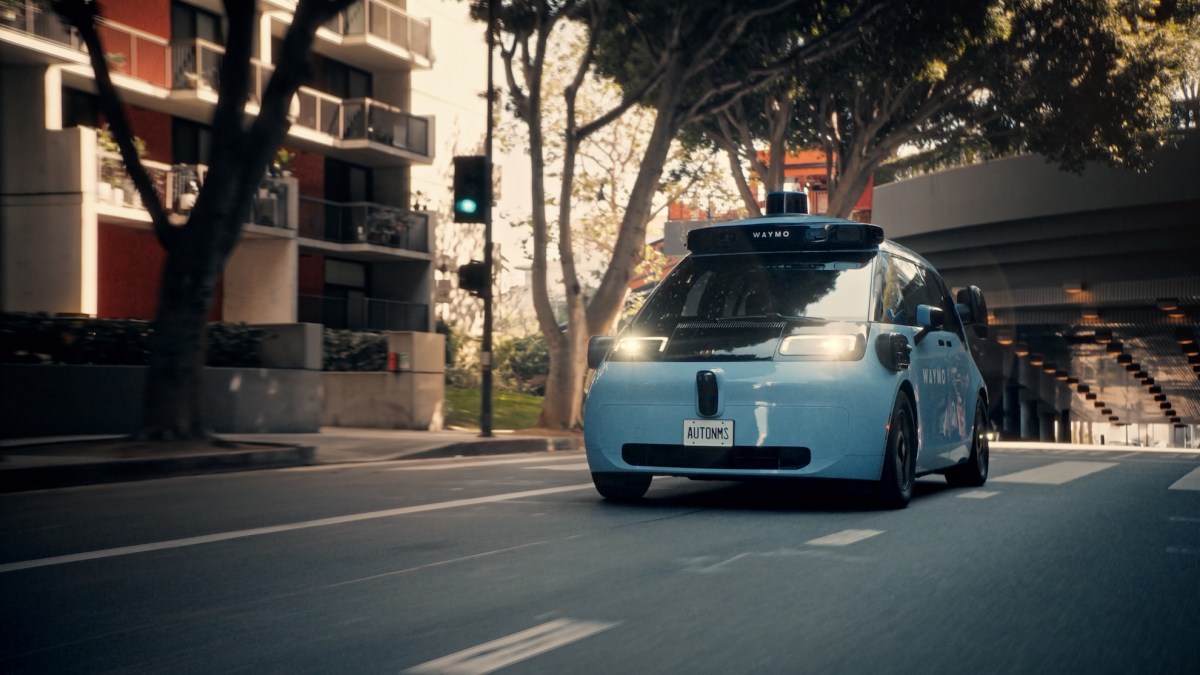
If you've followed the self-driving space at all, you've probably seen the same white, sensor-covered Jaguar I-Pace cruising the streets of San Francisco for years. That car was never meant to be the final answer, though — and now Waymo is finally moving on. The Alphabet-owned company just opened its next-generation robotaxi to all riders in Los Angeles, Phoenix, and San Francisco.
Meet the Ojai
The new vehicle is called the Ojai (pronounced "oh-hi"). Right now, if you hail a ride in one of those three cities, you might get matched with an Ojai automatically. Waymo says that once enough of them are on the road, riders will be able to choose between the Ojai and the older Jaguar I-Pace. The fleet is still small for the moment — roughly 300 Ojais are in commercial service today — but the plan is to move fast, with Denver, Las Vegas, and San Diego all set to get the new car later this year, according to TechCrunch.
What's under the hood
The real story is the technology powering it. The Ojai runs on Waymo's sixth-generation self-driving system, which matters because the hardware is modular — built to work across multiple vehicle types rather than being locked to a single car. Riders also get a redesigned interface and Google's Gemini AI baked in as an in-car assistant, so the cabin experience is meant to feel like a genuine step up, not just a sensor swap on the same old ride.
A Zeekr minivan with a tariff problem
Here's the twist: strip away all the self-driving tech and the Ojai is essentially a minivan built by Zeekr, a brand owned by China's Geely Holding Group. Waymo teamed up with Zeekr back in 2021 and has spent years testing prototypes built on the automaker's SEA-M platform, which was designed specifically for vehicles like robotaxis and delivery vans. The goal was a robotaxi that's easy to get in and out of, cheap to build and maintain, and tough enough for near-constant use. The catch is cost — because the base vehicles are built in China, they get hit with steep U.S. import tariffs. Waymo ships them in without any Chinese connected-car tech on board, then outfits each one with its self-driving system at its Arizona factory.
The scale math
The numbers show just how serious this rollout is. Research firm MoffettNathanson tracks Ojai imports and says Waymo is on pace to bring about 5,000 of the vehicles into the U.S. by the end of 2026 — more than double the size of its current Jaguar fleet. In July alone, 725 Ojais entered the country. That's the kind of pace you only see when a company is betting hard on one specific vehicle.
Waymo has been the clear leader in U.S. robotaxis for a while now, but scaling profitably has always been the harder problem. The Ojai is the vehicle designed to solve it. If you're in one of those cities, don't be surprised when your next ride pulls up and it's not a Jaguar.
Share
Related
Contact
Available for Laravel platforms, native Android apps, and the systems that run behind them.